logo

Why Is Foil Winding the Superior Method for Manufacturing High-Efficiency Low-Voltage Transformers?

December 14, 2025

最新の会社ニュース Why Is Foil Winding the Superior Method for Manufacturing High-Efficiency Low-Voltage Transformers?

Why Is Foil Winding the Superior Method for Manufacturing High-Efficiency Low-Voltage Transformers?

The transformer is a cornerstone of electrical infrastructure, essential for efficiently transferring electrical energy between circuits. While traditional methods involving copper wire winding remain prevalent, the modern demand for higher power density, reduced operational losses, and superior mechanical robustness has driven the industry toward the Foil Winding technique, particularly for low-voltage (LV) transformers. The fundamental question for transformer designers and manufacturers is: Why has foil winding emerged as the superior method for achieving high efficiency and reliability in these critical components?

Foil winding machines utilize wide strips of conductive material, typically copper or aluminum foil, instead of multiple strands of round wire. This change in conductor geometry provides immediate and profound electrical, thermal, and mechanical advantages that directly address the limitations of traditional wire windings.

The most significant advantage lies in the dramatic reduction of AC resistance losses, specifically the proximity effect and the skin effect. In thick, round-wire conductors, high-frequency currents or currents with fast-rising edges tend to crowd towards the surface (skin effect) or concentrate unevenly within adjacent wires (proximity effect). These phenomena increase the effective resistance of the conductor, leading to higher power loss (heat) and reduced efficiency.

Foil winding inherently mitigates these issues. Since the foil strip is wide but very thin, the magnetic flux lines produced by the winding are distributed almost uniformly across the conductor's cross-section. This uniform distribution minimizes the current crowding effect, ensuring that the entire conductor mass is used effectively. The result is a substantial reduction in both skin and proximity effects, leading to a noticeable decrease in load losses (copper losses) and a corresponding increase in the transformer’s operating efficiency. For large industrial transformers operating continuously, this small percentage gain in efficiency translates into massive energy and cost savings over the transformer's lifespan, making foil winding an environmental and economic imperative.

Beyond electrical performance, foil winding offers superior thermal management. Heat is the primary enemy of transformer longevity. In traditional wire windings, heat generated in the inner layers can become trapped, leading to localized hot spots that degrade the insulation and shorten the unit's lifespan. Foil windings, with their large, flat surface area, provide an excellent thermal path. Each turn is essentially a broad heat conductor that efficiently transfers thermal energy out to the edges of the coil and into the cooling medium. The large contact area between adjacent foil layers, separated only by thin interlayer insulation (often Mylar or Nomex), further promotes even temperature distribution, effectively eliminating damaging hot spots and significantly increasing the transformer's tolerance for high-current operation.

Finally, the mechanical robustness of foil windings is unmatched. During short-circuit events, high currents generate intense electromagnetic forces that can stress and damage wire windings, leading to insulation failure or structural deformation. A foil winding, with its solid, continuous strip, provides superior mechanical rigidity. The entire winding acts as a monolithic, self-supporting structure that is far more resistant to the severe axial and radial forces experienced during fault conditions. This inherent strength improves the transformer's reliability and resilience in demanding applications.

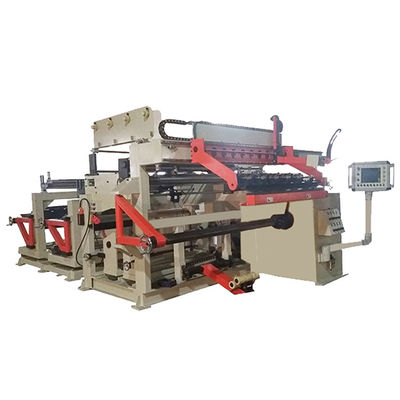
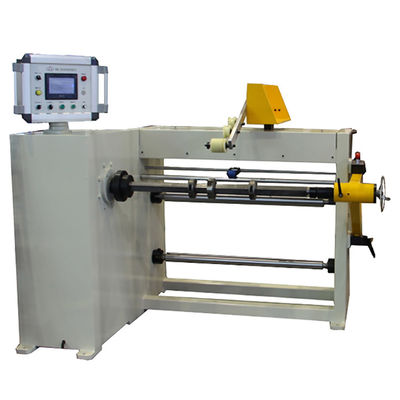
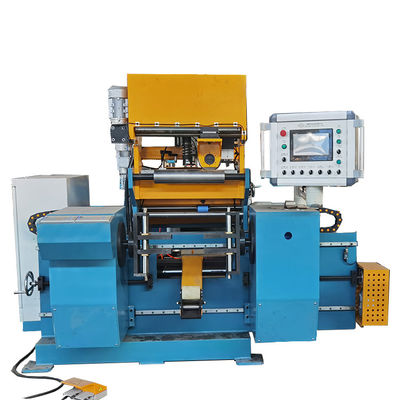
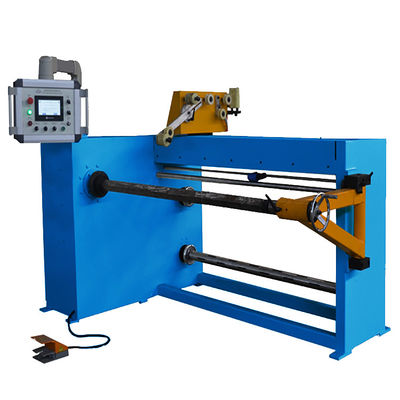
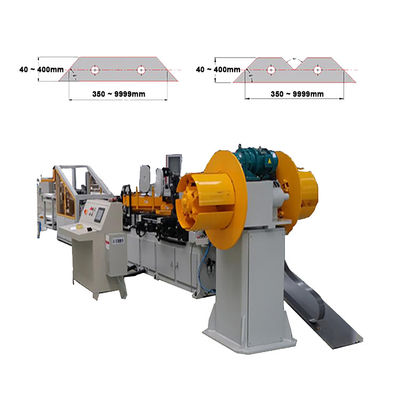
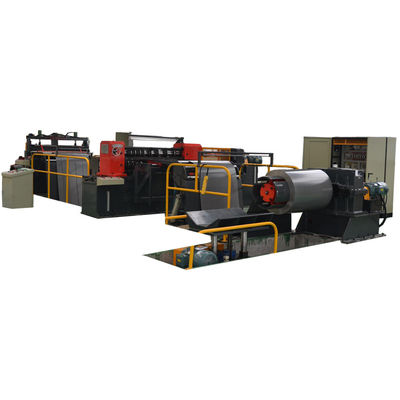
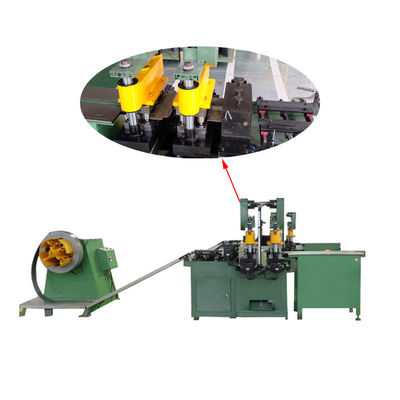
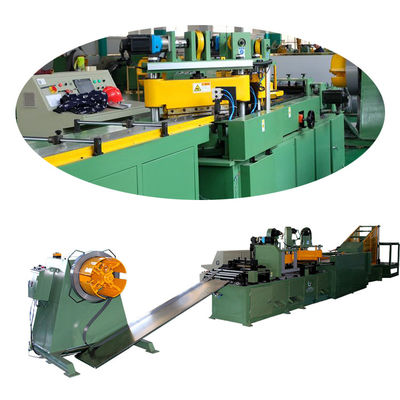
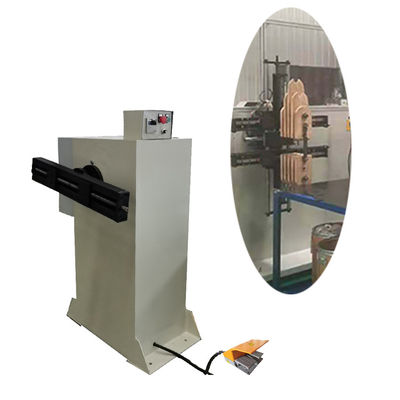
In summary, the transition from traditional wire to foil winding is a strategic choice driven by physics and economics. A Transformer Foil Winding Machine delivers a coil that is electrically superior due to minimized AC losses, thermally robust due to enhanced heat dissipation, and mechanically superior due to increased short-circuit withstand capability. These combined advantages make foil winding the definitive, high-performance method for manufacturing the reliable, high-efficiency low-voltage transformers required by modern power distribution and industrial systems.

私達と連絡を取ってください
コンタクトパーソン : Mr. Jack Liao
電話番号 : +86 18962417880
残りの文字数(20/3000)